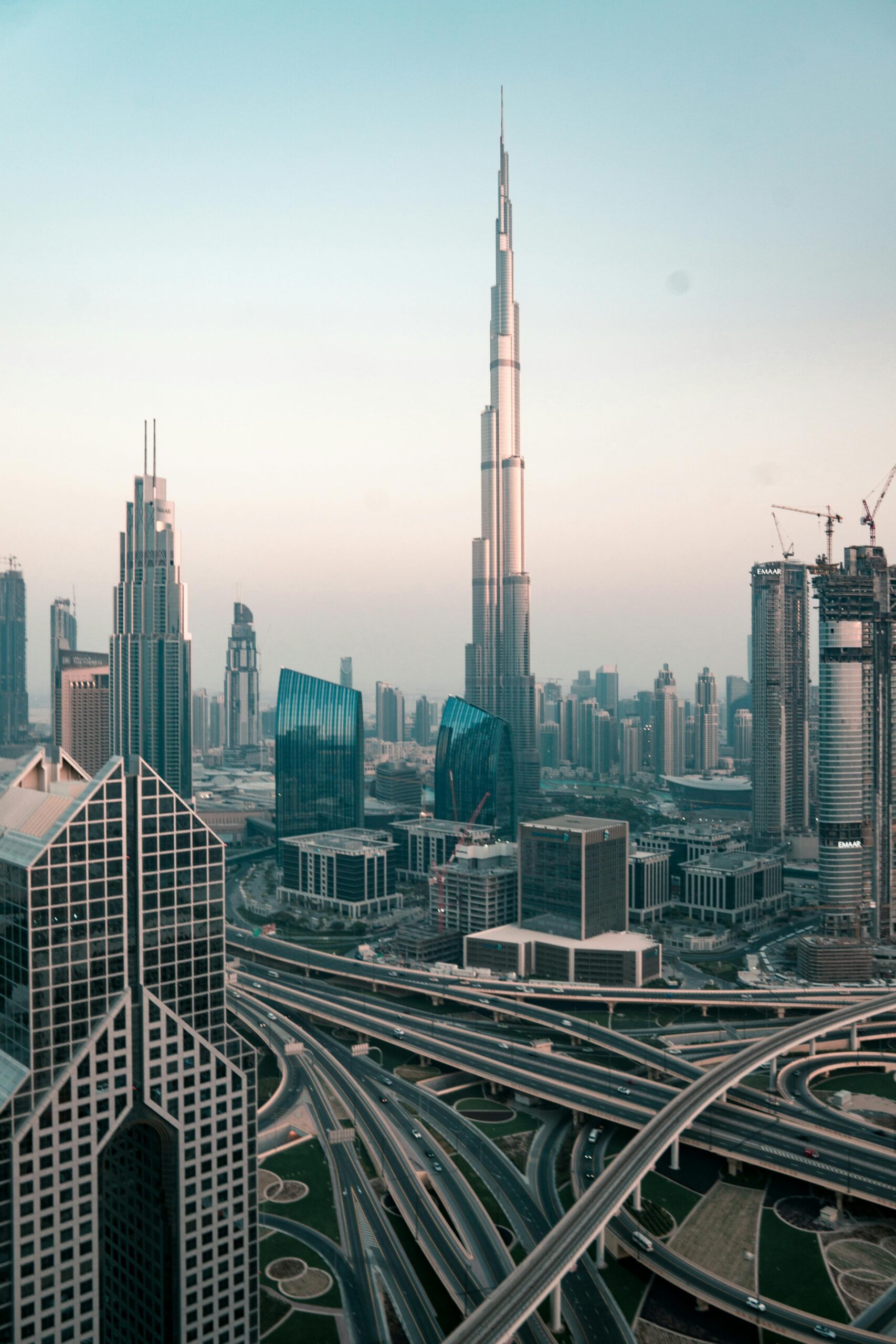
The narrative of Dubai’s real estate has shifted from mere recovery to sustained, strategic dominance. As we analyze the First Six Months (January to June) 2025 performance, the central theme is clear: the Dubai real estate boom set to last until 2025 and beyond, fueled by an unprecedented influx of global capital and visionary urban planning. This report provides a definitive look into the market’s resilience, key segments driving growth, and the strategic opportunities for investors and end-users alike.
First Six Months Market Review: Performance Highlights and Key Metrics
The First Six Months (January to June) of 2025 proved to be another record-breaking period, solidifying Dubai’s position as a preferred global investment destination. The market showcased robust health, driven by high investor confidence and a mature regulatory environment.
Transaction Volumes, Price Growth, and Buyer Incentives Analysis
Total sales value in the First Six Months of 2025 soared by a significant margin year-on-year, primarily led by massive transaction volumes crossing the 50,000 unit threshold for the quarter. Average property prices continued their upward trajectory, with apartments seeing double-digit annual increases and villas appreciating even faster due to scarcity. The launch of incentives like the First-Time Home Buyer Programme has successfully broadened the market base, boosting end-user demand and liquidity in mid-range segments. This sustained momentum demonstrates that the current growth is not a spike but a durable cycle, confirming the prediction that the Dubai real estate boom set to last until 2025.
| Pros (Key Opportunities) | Cons (Immediate Challenges) |
| Record Transaction Volumes: Indicate deep liquidity and global investor trust. | High Upfront Costs: 4% DLD fee remains a significant entry barrier. |
| Outperforming Rental Yields: Strong tenant influx ensures higher returns than global peers. | Off-Plan Villa Slowdown: Buyer preference is shifting toward ready villa units. |
| Diversified Buyer Base: Growth is balanced between luxury and mid-market properties. | Rising Rents: While good for investors, it pressures tenants and first-time buyers. |
Residential Market Dynamics: Resale vs. Off-Plan
The First Six Months (January to June) data highlights a clear divergence in buyer behavior between ready (resale) and off-plan properties across different segments.
Off-Plan Segment Momentum and Resale Market Performance (Apartments, Villas, Townhouses)
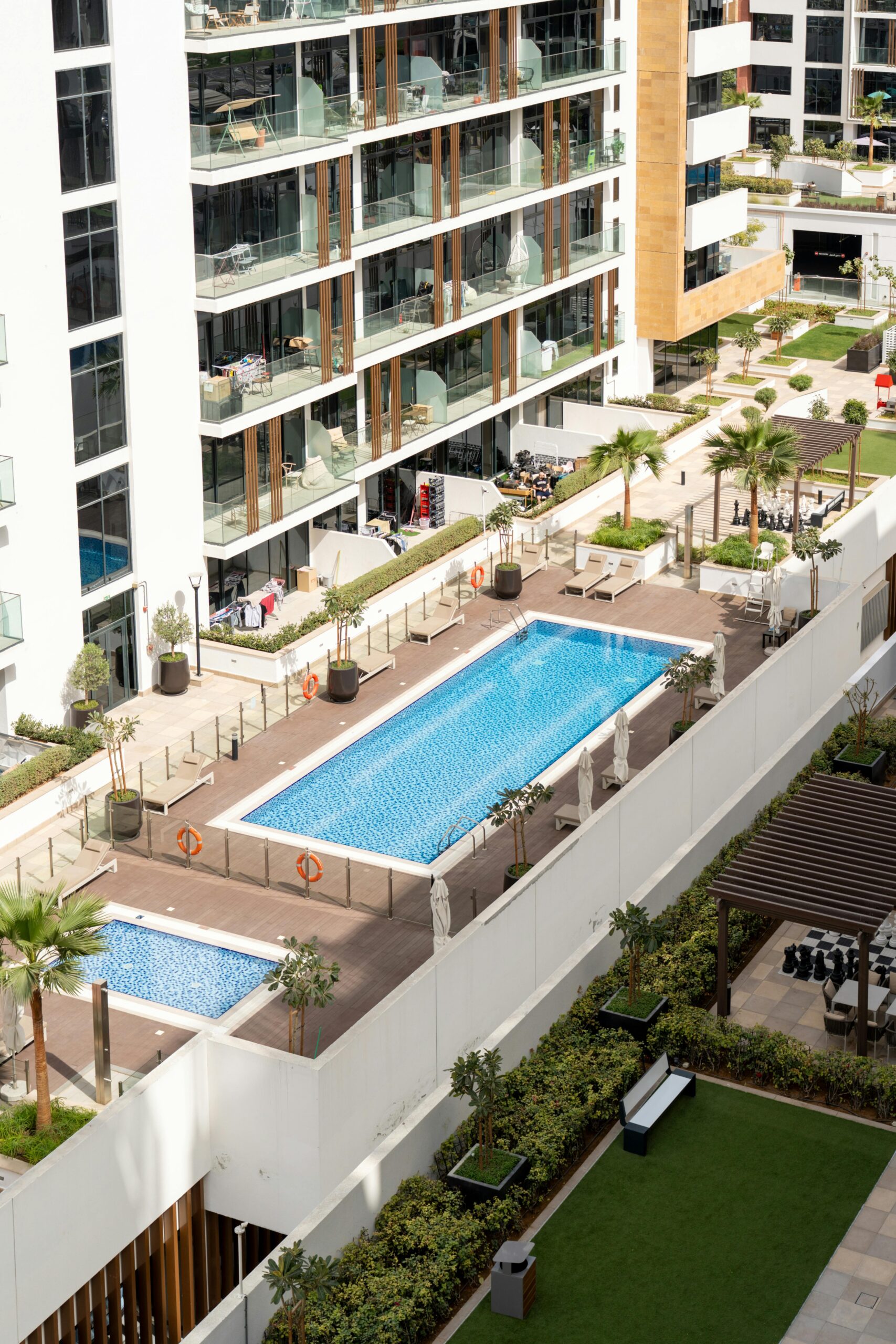
The Off-Plan segment remains the primary engine of transaction volume, especially for apartments, accounting for over 60% of sales. Developers, with aims across real estate development phases, are catering to investor appetite with attractive post-handover payment plans. However, the Resale market, particularly for completed villas and townhouses, saw an exceptional surge, driven by end-users seeking immediate occupancy in established communities. Prime locations like Palm Jumeirah and Dubai Hills Estate recorded some of the highest price gains, confirming the premium on ready, quality properties. The continued strength in the off-plan market underscores that the Dubai real estate boom set to last until 2025 is firmly supported by new project launches.
Foundational Drivers Shaping Dubai’s Real Estate in 2025
The market’s success is intrinsically linked to macro-economic stability and progressive government policies.
Government Vision, Economic Stability, and Strategic Infrastructure
Dubai’s strategic shift, backed by the Dubai 2040 Urban Master Plan and initiatives like the Golden Visa, has created a safe-haven environment. The city’s non-oil GDP growth and currency peg to the USD offer remarkable economic stability, attracting HNWIs and large corporate setups fleeing global uncertainties. Furthermore, ongoing infrastructure investments, including the expansion of transport networks, continue to unlock potential in secondary and emerging districts, providing strategic growth for companies at aims across real estate diversification.
Population Growth and the Critical Supply vs. Demand Dynamics
Dubai’s population has exceeded 4 million in 2025, with an influx of approximately 1,000 new residents daily. This organic demand is a core driver. While a significant pipeline of new units is expected, particularly apartments, the actual delivery rate is historically lower than projected forecasts, creating a persistent supply gap in the short to medium term. This gap, especially for villas, keeps prices firm and resilient against potential oversupply concerns.
Diverse Residential Sector: Luxury, Mid-Range, and Affordable Housing
Market growth is now broad-based, accommodating various buyer profiles.
Luxury and Branded Property Demand vs. Affordable and Mid-Range Trends
The Luxury segment is booming, with Dubai being the world’s busiest market for homes above $10 million. The focus here is on Branded Residences which command a premium due to scarcity and high-end services. Simultaneously, the Mid-Range and Affordable sectors, centered in areas like JVC and Dubai South, are seeing high demand from first-time buyers and families transitioning from renting to owning, leading to robust rental yields in these high-volume communities.
The Commercial Real Estate Landscape
The commercial sector’s performance mirrored the residential boom, signaling a highly confident business environment.
Ready Office Spaces, Shared Workspaces, and Industrial / Logistics Demand
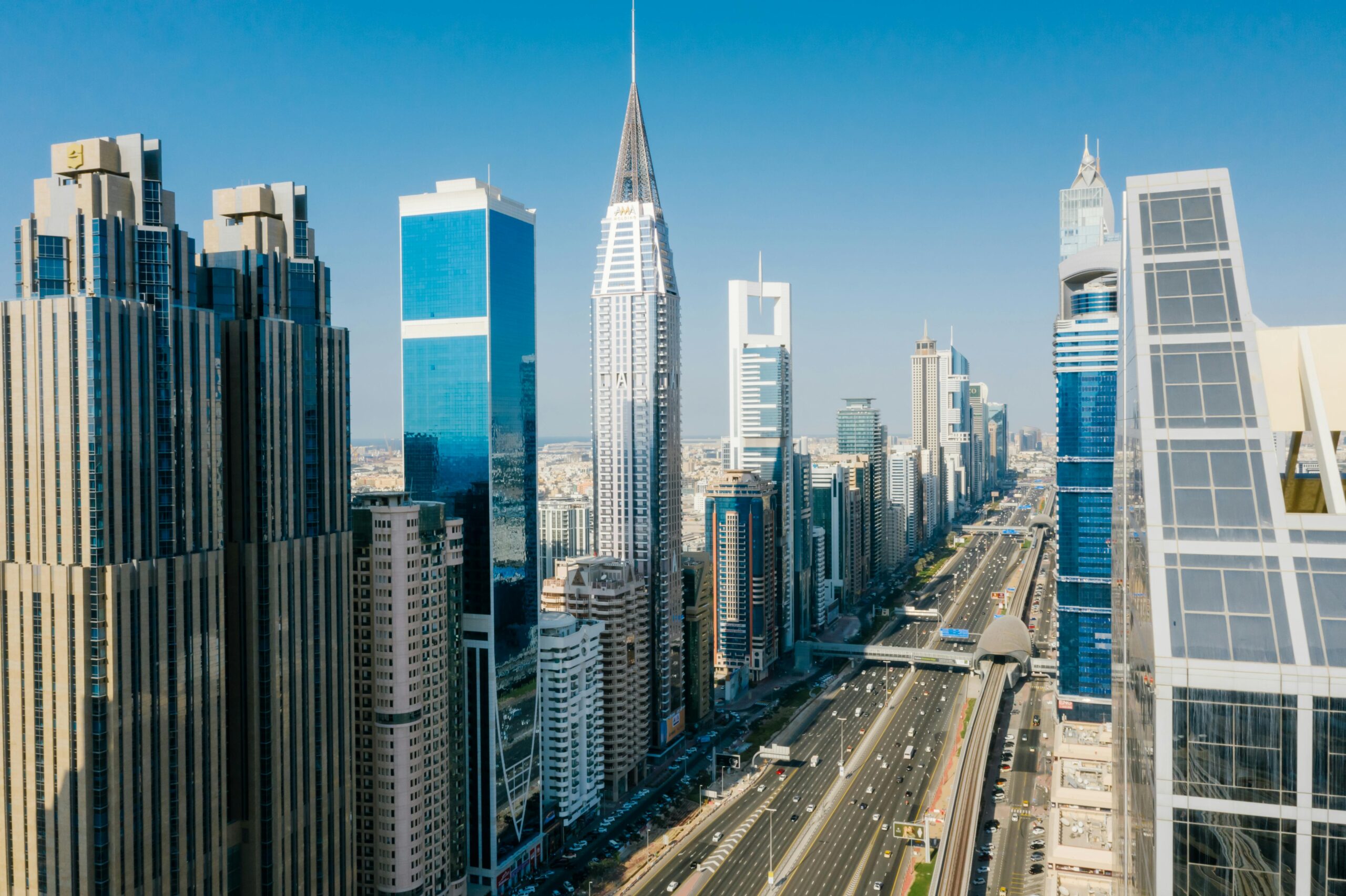
Prime Office Rents in core areas like DIFC and Business Bay surged by over 20% year-on-year, driven by international businesses expanding their regional presence. Demand for Grade A office spaces remains exceptionally high. Furthermore, the Industrial and Logistics segment, particularly in Free Zones like JAFZA and Dubai South, continues to expand due to the e-commerce boom and the need for modern warehousing. This growth underscores Dubai’s role as a global business hub.
Strategic Takeaways and Investment Opportunities for 2025
Investment Strategies for Buyers, Investors, and End-Users
For investors, the strategy should be selective:
- Safety & Capital Growth: Invest in prime, limited-supply villas or branded residences in established areas like Palm Jumeirah.
- Cash Flow & Yield: Target high-demand apartment communities (JVC, Business Bay) for competitive rental yields (5-7%).
- Future Growth: Consider off-plan in emerging corridors like Dubai South or near infrastructure hubs for maximum capital appreciation upon handover. The enduring appeal of the Emirate suggests the Dubai real estate boom set to last until 2025 and beyond.
Conclusion: Dubai Real Estate – The Golden Opportunity
The Dubai real estate boom set to last until 2025 and beyond is supported by structural economic strengths and a consistent influx of global talent and capital. While future supply in the apartment segment requires monitoring, the overall market resilience, transparent regulation, and compelling tax advantages cement Dubai’s status as a stable, high-growth investment magnet. Making an informed decision now means securing a stake in one of the world’s most dynamic economies.