
Jebel Ali is one of Dubai’s most strategically important districts, known globally for trade, logistics, and large-scale development. This Jebel Ali Area Guide provides a clear, practical overview of the area—covering residential living, business activity, transport links, lifestyle amenities, and long-term investment potential. Whether you’re planning to live nearby, set up a business, or explore property opportunities, understanding how Jebel Ali functions is essential.
Unlike purely residential districts, Jebel Ali combines industrial power with growing community living, making it a unique part of Dubai’s urban landscape. This Jebel Ali Area Guide breaks it all down in simple, useful terms.
Jebel Ali plays a central role in Dubai’s economy and infrastructure. It is home to one of the largest man-made ports in the world and one of the most influential free zones in the Middle East.
Jebel Ali Port and the Jebel Ali Free Zone (JAFZA) together form a global trade and logistics hub. Thousands of companies operate here, ranging from manufacturing and logistics to technology and services. This economic activity drives demand for housing, services, and commercial property around the area, which is why the Jebel Ali Area Guide is relevant not just for businesses but also for residents and investors.
Jebel Ali is located in southwest Dubai, positioned between central Dubai and Abu Dhabi. Its location makes it ideal for logistics, commuting, and regional access.
Jebel Ali is well connected by Sheikh Zayed Road, Emirates Road, and Sheikh Mohammed Bin Zayed Road. The Dubai Metro’s Red Line serves the area, including stations near JAFZA and surrounding communities. Buses and taxis are widely available, and road access to Al Maktoum International Airport is a major advantage. This Jebel Ali Area Guide also highlights that some industrial zones require gate passes, particularly inside JAFZA, which is important for workers and visitors to know.
Jebel Ali is not just industrial—it also includes some of Dubai’s most ambitious developments. Jebel Ali Port remains the backbone of the area, handling global cargo traffic and supporting thousands of jobs. JAFZA continues to expand as a business ecosystem with warehouses, offices, and logistics facilities.
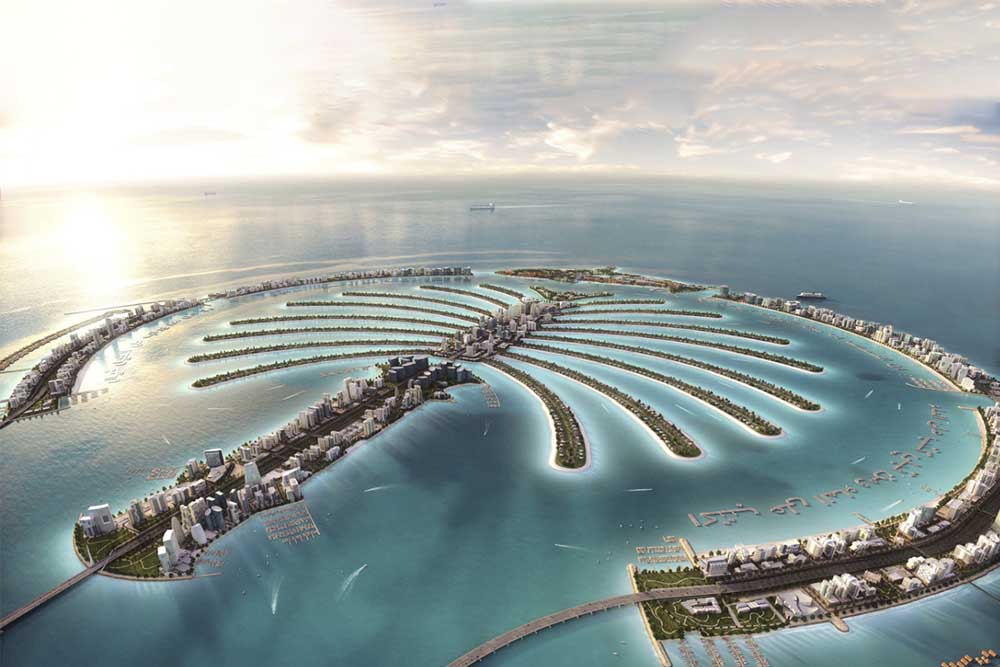
Palm Jebel Ali, though still developing, represents a future luxury and residential expansion on a massive scale. Nearby areas such as Jebel Ali Village and the Ibn Battuta Gate zone add residential and lifestyle elements. This Jebel Ali Area Guide highlights these landmarks because they shape both current activity and future growth.
Living directly inside industrial Jebel Ali is limited, but several well-established residential communities surround it. Popular areas include Discovery Gardens, Al Furjan, Jebel Ali Village, and Downtown Jebel Ali. These communities offer a mix of apartments, villas, and townhouses, catering to professionals working in JAFZA and nearby hubs.
Apartments dominate Discovery Gardens and Downtown Jebel Ali, while villas and townhouses are more common in Jebel Ali Village and Al Furjan. Rental demand is steady due to proximity to workplaces, metro stations, and major roads. Buying options are mostly focused on long-term residents and investors seeking value near major infrastructure. This Jebel Ali Area Guide recommends comparing community facilities, parking, and commute ease before making a decision.
Jebel Ali is one of the strongest commercial zones in the UAE. Warehouses, logistics yards, offices, and industrial facilities form the backbone of the area. JAFZA attracts international companies due to its business setup, infrastructure, and connectivity.
Demand for industrial property in Jebel Ali remains strong, driven by trade, e-commerce, and regional distribution needs. This Jebel Ali Area Guide notes that businesses often choose the area for operational efficiency, easy access to highways, and proximity to ports and airports.
While Jebel Ali is business-focused, nearby communities provide the essentials needed for comfortable living. Schools, nurseries, clinics, pharmacies, and supermarkets are available around Discovery Gardens, Al Furjan, and the Ibn Battuta area.
Shopping and dining options are convenient, especially with Ibn Battuta Mall nearby. Residents also have access to gyms, salons, and daily services, making routine living practical. This Jebel Ali Area Guide makes it clear that lifestyle comfort comes mainly from surrounding residential zones rather than the industrial core.
Leisure options near Jebel Ali are surprisingly strong. Dubai Parks and Resorts is one of the area’s biggest highlights, offering theme parks and family attractions. Beaches and resort zones around Jebel Ali also provide relaxed weekend options, while outdoor recreation and golf facilities add variety.
Evenings here are generally quiet, which suits professionals and families who prefer calm surroundings after work. This Jebel Ali Area Guide sets expectations clearly: entertainment is family-friendly and resort-oriented rather than nightlife-led.
Jebel Ali has several well-known hotels and resorts catering to business travelers and leisure guests. Options include business-friendly stays near JAFZA and premium beach resorts offering private beaches, golf facilities, and meeting spaces.
This Jebel Ali Area Guide highlights that hotel infrastructure supports both corporate demand and weekend travelers, which also strengthens the area’s long-term activity and development.
Jebel Ali continues to attract investor attention due to its infrastructure and long-term growth plans. Key drivers include JAFZA expansion, ongoing logistics demand, and proximity to Al Maktoum International Airport. Palm Jebel Ali adds another major long-term development angle that many investors watch closely.
This Jebel Ali Area Guide also notes risks: industrial zoning can limit some residential expansion, and resale liquidity varies depending on community choice. Investors should focus on connectivity, tenant demand, and practical long-term value rather than speculation.
Jebel Ali is one of Dubai’s most important districts, combining global trade infrastructure with growing residential demand and strong business activity. This Jebel Ali Area Guide covered what matters most—where it is, how to reach it, where to live nearby, what amenities you’ll have, and why investors and businesses keep watching the area. If you’re planning a move or investment, shortlist nearby communities, compare commute times, and prioritize long-term convenience for the best results.
Simple Answers for Smart Investment, ensures you make informed decisions in Dubai’s real estate market.
Simple Answers for Smart Investment, ensures you make informed
decisions in Dubai’s real estate market.
Jebel Ali itself is industrial, but nearby communities are popular for residential living.
The Dubai Metro Red Line serves stations near JAFZA and surrounding areas.
It is under development and represents a major future residential and tourism project.
Some JAFZA zones may require gate passes for access.
Apartments are common in Discovery Gardens and Downtown Jebel Ali, while villas and townhouses are more common in Al Furjan and Jebel Ali Village.
Don't have an account? Sign Up
